📝 Design-Information-Modeling
Dieser Inhalt ist noch nicht in deiner Sprache verfügbar.
🧠 It’s about Meaning
You might have heared of Building-Information-Modeling (BIM) where you explicitly model semantics instead of only representations 🔗
It allows you to use smart objects early on, so you don’t have to repeat the
information retrieval process later ⏮️
Instead of making a line with a pen (or a CAD tool), you use a BIM tool to draw a wall, and then you simultaneously model the wall’s information (material, volume, cost, …) 📝
The hope is that this extra work and limitation in the beginning pays off in the end 📉
🩻 The Data Problem
For computers to store and process information, they need data structures 🗄️
The main question is what are the units of information?
🧩 You have to Standardize the Elements!
You might ask yourself:
🗃️ What do most buildings have in common?
Storeys, Walls, Windows, Doors, Columns, Beams, Slabs, Roofs, Stairs,
Railings, …
🧩 How are they commonly put together?
A building constists
of storeys, a wall starts and ends on a storey, a wall is 90 degrees vertical,
…
🤷♂️ What about the exceptions?
Split levels, incline walls, free-form roofs, …
Here some example buildings:
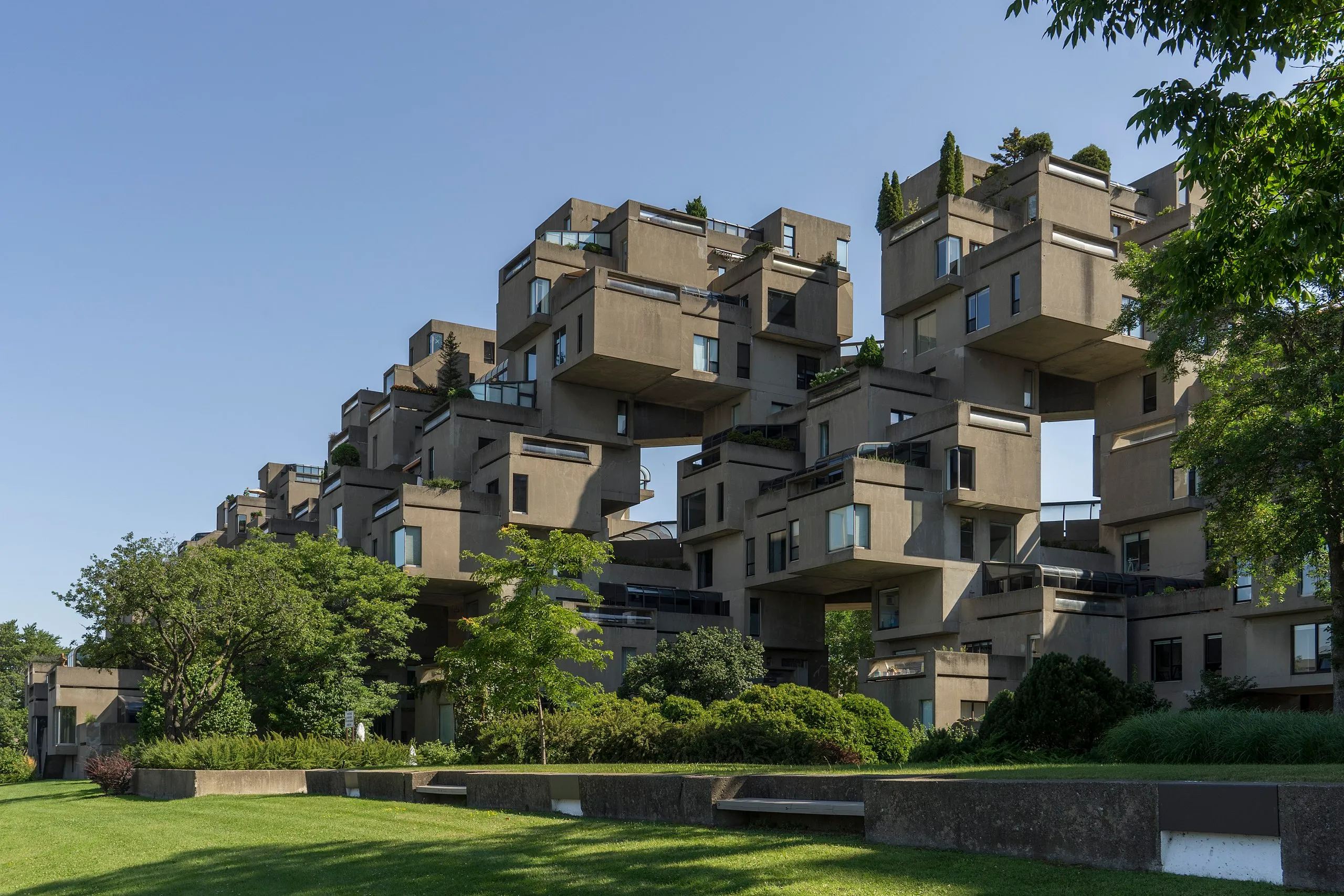
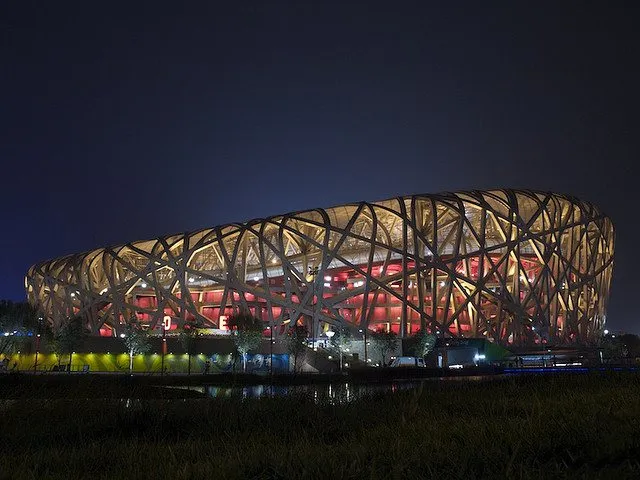
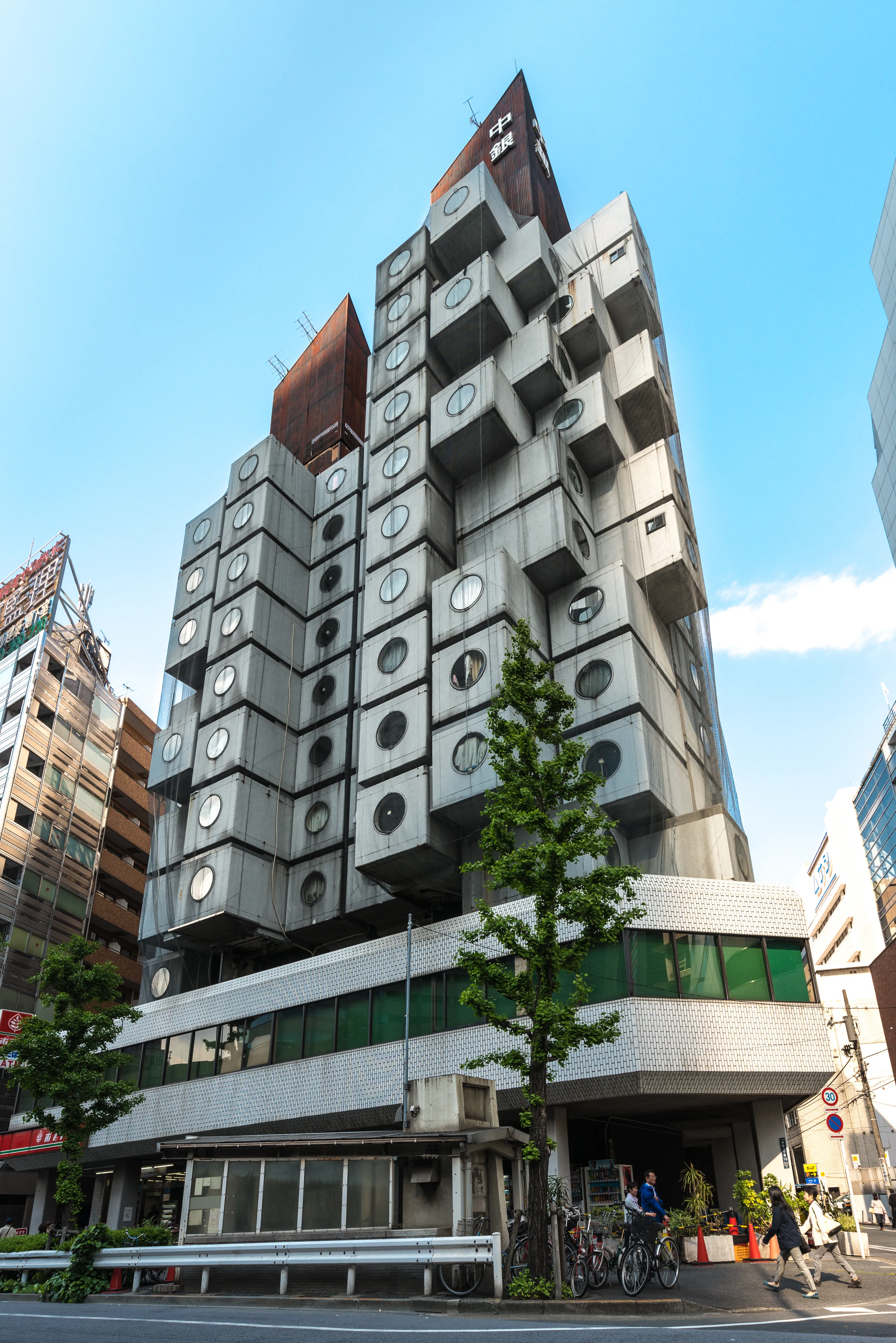


Is that the way you think about your design?
🤔 Or maybe not?
When you design you’ll probably think more like this:
This is the difference between semio and other BIM tools 💡
In semio you first model design knowledge instead of building elements 🥇
And then as a second step you turn your design into common formats such as building elements, zones, parts, … 🥈